The Future Grid
Could countries share electricity like we share data online?
What is the “future grid”?
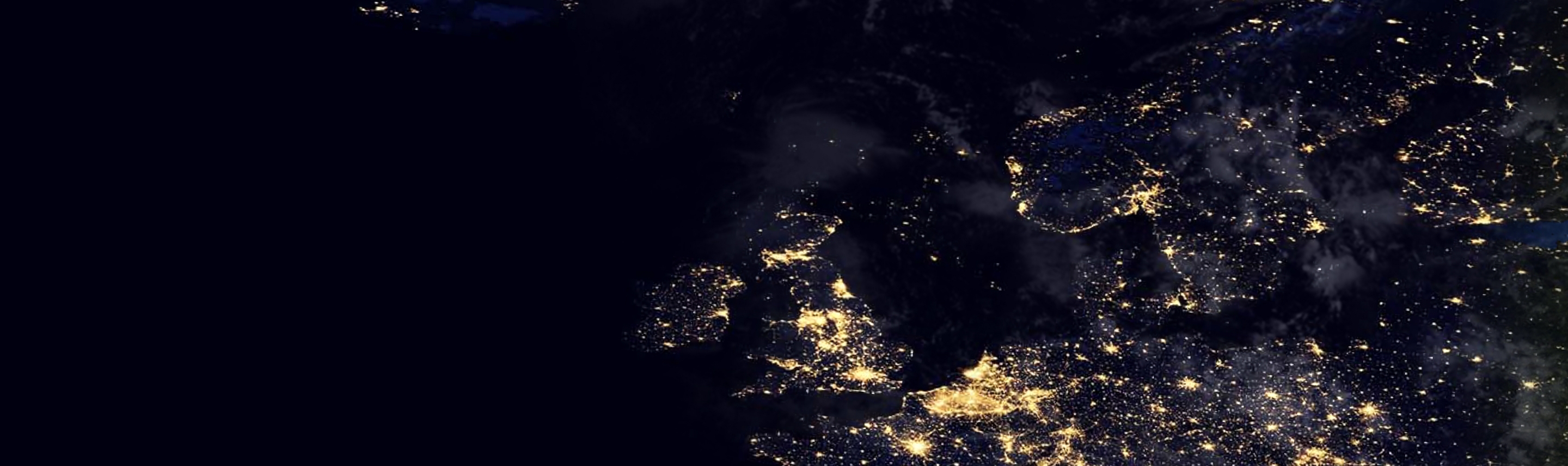
Right now, each country mostly runs its own electricity network. A future grid — sometimes called a super grid — would connect countries together so they can share power across long distances. The goal? Make energy cleaner, more secure and more affordable.
Why upgrade the grid?
Today’s grids mostly use AC (Alternating Current) power lines. A super grid would use HVDC or UHVDC lines — High Voltage Direct Current. These can carry electricity at much higher voltages and over much longer distances.
That means:
- Less energy lost along the way
- More efficient long-distance connections
- Power shared between countries
Sharing renewable energy
Renewables don’t generate the same amount of energy everywhere.
Some places get:
- More sun
- More wind
- More hydro power
A super grid could allow countries to swap electricity. For example:
- Solar power from sunnier countries in the south
- Wind and hydro power from countries in the north
This helps make sure clean energy is available more of the time.
A more flexible system
The future grid would also:
- Move away from a few big fossil fuel power stations
- Support lots of smaller energy sources spread out across the network
- Allow homes and businesses to sell electricity back to the grid
- Make better use of batteries and electric cars
The more connected the grid is, the easier it is to avoid blackouts. If one area has a problem, electricity can come from somewhere else.
What are the challenges?
Building a super grid isn’t simple. It would need:
- Strong international cooperation
- Large investment
- New technology (especially for ultra-high voltage systems)
There would also be environmental impacts from building new cables — although some can be buried underground or laid under the sea. For example, proposals have explored linking countries like Iceland and the UK with seabed cables.
Looking ahead
Not all the technology for a global ultra-high voltage grid exists yet. But many engineers and energy companies see this as an opportunity. New materials, smarter systems and better efficiency could one day connect huge parts of the world.
The Bottom Line
A future super grid could connect countries and share renewable electricity across long distances. It would make the energy system more flexible, secure and low-carbon — but it will take cooperation, investment and new technology to make it happen.
Related ideas
Nature’s Light
Could glowing plants and animals light our cities?

Carbon Capture
Can we stop carbon dioxide before it reaches the air?
Lunar Panels
Could moonlight one day power Earth?
Let’s shape the future together
Backed by industry, My Energy Future is brought to you by OPITO and partners to build a safe, skilled workforce.