Energy and transport
How energy powers movement
Energy moves cars, buses, trains, ships and planes, helping people and goods travel every day. Different types of transport rely on different fuels and technologies to keep the world moving.
-
Where it’s used

-
How it works

-
Why it matters

-
What’s next

Energy is used across all forms of transport, from everyday journeys to long distance travel.
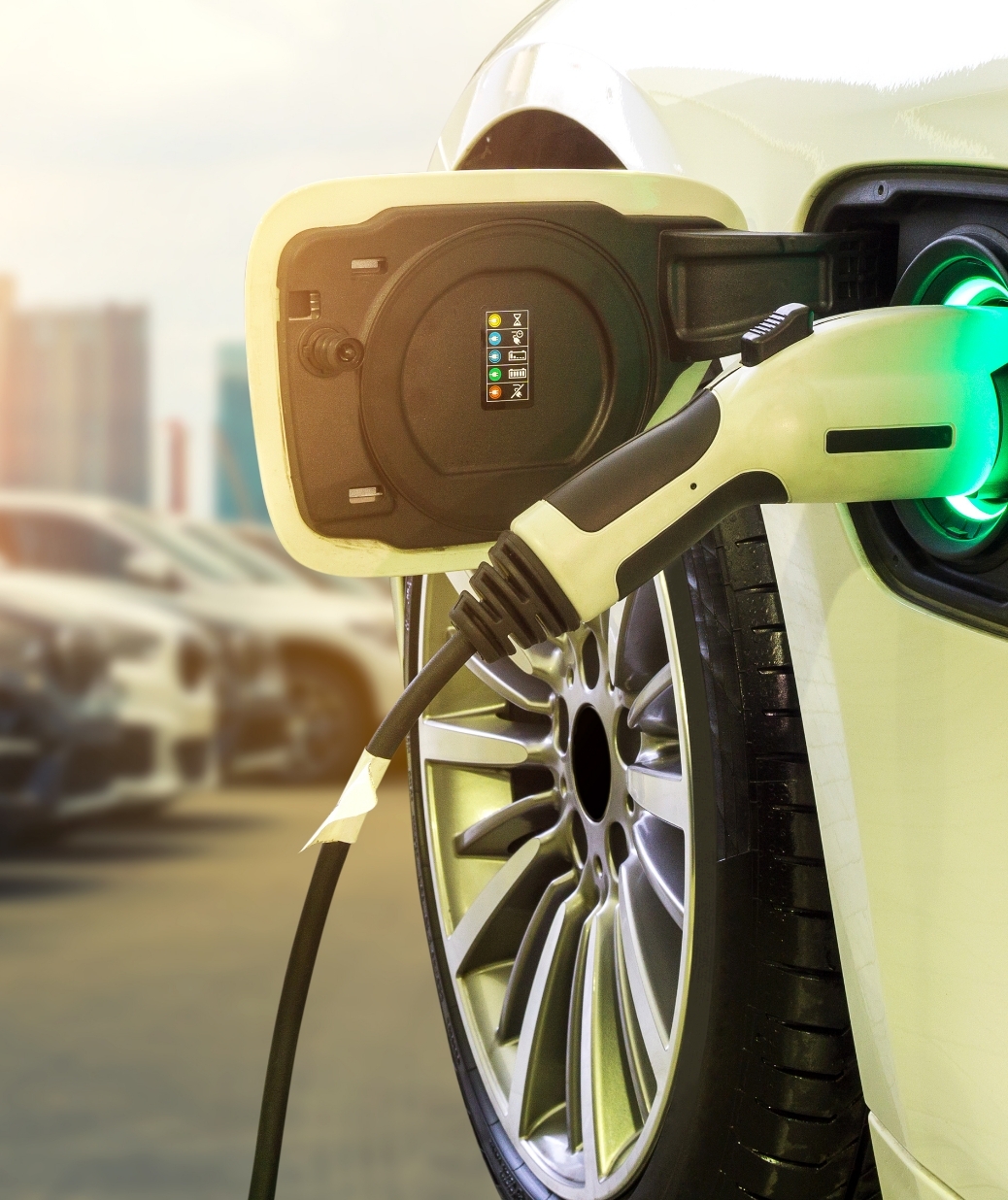
- Cars and motorbikes commonly use petrol or diesel, while electric vehicles are powered by batteries that store electricity.
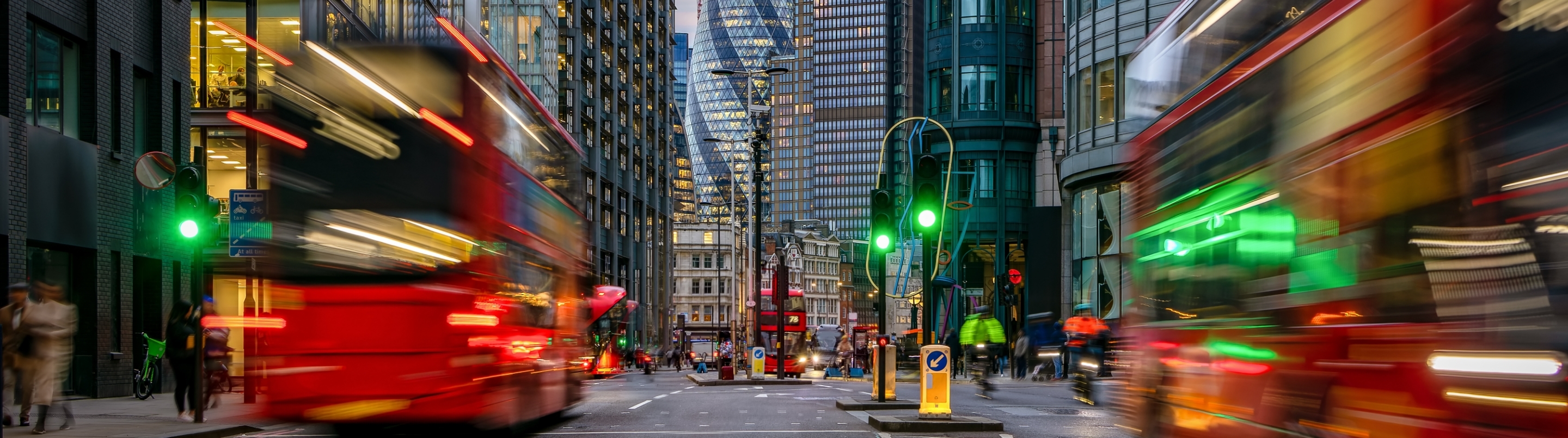
- Buses and delivery vans often run on diesel, though some cities now use electric or hydrogen buses to reduce emissions.
- Trains can be powered by electricity from overhead lines or diesel engines, depending on the route.
- Ships and ferries rely on heavy fuel oils or increasingly cleaner alternatives, as they carry goods and passengers across long distances.
- Planes use aviation fuel to travel at high speeds and cover global routes.
Whether on roads, rails, water or in the air, every type of transport depends on energy to move people, deliver goods and support daily life.
Transport works by converting stored energy into movement.
- In petrol and diesel vehicles, fuel is burned inside an engine to create power that turns the wheels.
- Electric vehicles work differently: they use energy stored in a battery to power an electric motor, which creates smooth and quiet movement without burning fuel.
- Trains can draw electricity directly from overhead lines or rails, or they may use diesel engines on routes without electrification.
- Ships use engines that convert fuel into thrust to push them through water, while planes burn aviation fuel to power jet engines, allowing them to produce lift and fly.
Although the technologies vary, the principle is the same - energy is transformed into motion, making transport systems work efficiently across different environments.
Transport energy matters because it affects people’s lives, communities and the environment.
Reliable transport allows people to get to school, work and essential services. It also supports businesses by helping goods move across cities, regions and countries.
However, transport is a major source of emissions, especially when petrol, diesel or aviation fuels are used. This affects air quality and contributes to climate change. Making transport more efficient or cleaner can create benefits for both people and the planet. Improved transport energy systems can reduce congestion, support healthier air and make travel more affordable over time.
As cleaner fuels, electric vehicles and better public transport options grow, they help create a more sustainable and accessible transport network for the future.
The future of transport is moving toward cleaner, smarter and more efficient systems.
- Electric vehicles are becoming more common as batteries improve and charging networks expand.
- Hydrogen buses and heavy vehicles may also grow, offering low‑carbon options for routes that need more power or travel longer distances.
- Public transport systems are likely to use more renewable electricity, helping reduce emissions across busy networks.
- Some ships are exploring cleaner fuels, while aviation is testing new technologies such as sustainable aviation fuels that produce lower emissions.
While changes will take time, these developments show how transport could become cleaner and more reliable, supporting both everyday travel and long‑term sustainability goals.
Got questions?
We’ve got answers
-
Why do vehicles need energy?
Energy powers the engine or motor. Without energy, vehicles can’t move.
-
What powers electric cars?
Electric cars run on electricity stored in batteries. It’s this battery that powers the car instead of a traditional petrol or diesel engine.
-
Why change transport fuels?
Reducing the amount of petrol or diesel people use can reduce emissions like carbon dioxide and improve the air we breathe, particularly in busy cities and crowded areas.
-
What’s next for transport?
More electric vehicles as well as the development of low-carbon fuels as well as improved (and faster) ways to charge and refuel.
-
Do all types of transport use the same fuel?
No. Planes, ships, trains and cars have different energy needs depending on how they’re built and how they operate.
Could a car run on salt?
Electric cars running on salt, but not the table salt you’re thinking of, could soon be possible.
Related pages

Energy in our homes
Powering your life

Renewable Energy
Renewable energy powering the future. How nature keeps the lights on.

Emerging Technologies
New ideas shaping energy
Let’s shape the future together
Backed by industry, My Energy Future is brought to you by OPITO and partners to build a safe, skilled workforce.