Renewable Energy
Renewable energy powering the future. How nature keeps the lights on.
From the sun’s heat to underground steam, renewable energy comes from sources that never run out. Here’s how different technologies turn natural power into electricity and fuel.
-
Wind

-
Solar

-
Geothermal

-
Hydropower

-
Biofuels

-
Wave and tidal

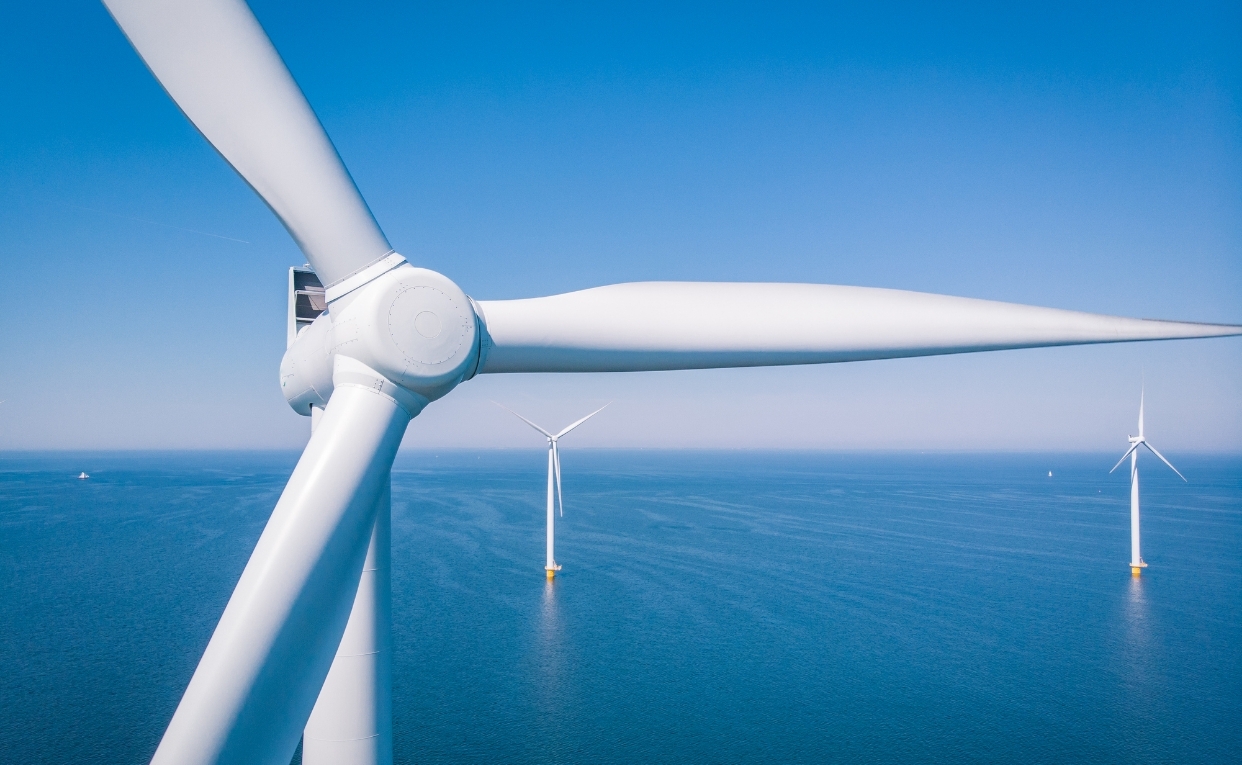
Wind turbines capture moving air and convert it to electricity through spinning blades. They work the opposite way to a fan, which uses electricity to make wind.
The taller the tower and longer the blades, the more energy the turbines capture. Out at sea, giant wind farms catch the strongest, steadiest winds to make massive amounts of clean power. For example, Scotland’s Seagreen has 114 huge turbines. That’s a serious amount of energy!
Engineers design wind farms by analysing wind patterns at specific locations around the world. Countries with strong, consistent winds - especially those with long coastlines or open plains - are often leaders in wind energy generation.
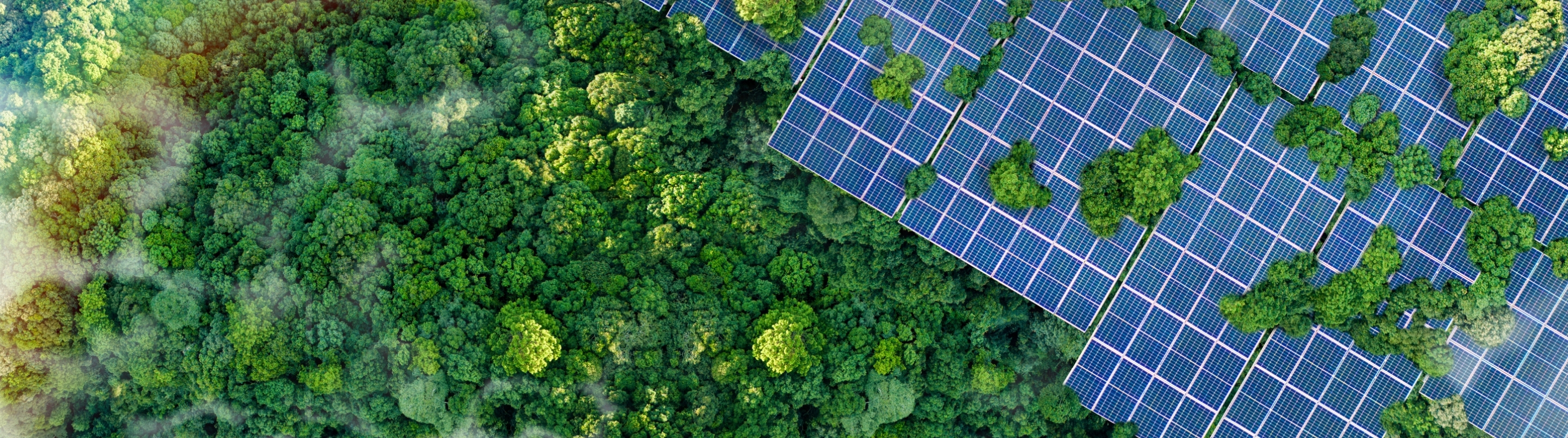
Photovoltaic (PV) panels convert sunlight directly into electricity. Solar panels are made from two layers of silicon semiconductor sandwiched between metal contacts. When sunlight hits the silicon, it knocks electrons loose, creating an electrical current. That's the power in your home.
The glass layer on top has an anti-reflective coating to stop sunlight bouncing away. Panels can be roof-sized or assembled into huge solar farms.
Solar energy works best in regions with strong, consistent sunlight, such as parts of Spain or Australia. However, solar panels can still generate electricity in cloudy conditions, meaning they can be used in many parts of the world. Researchers are developing new materials and more efficient manufacturing methods to reduce costs and improve performance.
Solar is becoming cheaper and more efficient all the time. That means jobs in installation, maintenance, and new material development are growing fast.
The Earth's internal heat powers turbines to generate electricity or heat homes directly. The Earth's core is over 5,000 degrees Celsius hot, and that's about as hot as the surface of the Sun!
Geothermal power stations drill deep boreholes, pump hot water to the surface, and run it through a heat exchanger that spins turbines. Geothermal works best in geologically active regions such as Iceland and New Zealand, where heat is easier to access. Even in areas with natural hot springs, deep drilling or hydraulic fracturing can reach heat sources.
Once operational, geothermal energy is reliable and flexible. It does not depend on weather conditions like wind or solar power. While it is not widely used in many parts of the world, this is beginning to change. As more countries explore its potential, opportunities are growing in areas such as drilling, engineering, and monitoring.
Water is pumped uphill into a reservoir, then released downhill through turbines to generate electricity.
Cruachan in the Scottish Highlands is a hidden marvel: a hydropower station carved one kilometre underground inside a mountain. Water is pumped up from a low reservoir during off-peak hours, then released to spin turbines when demand is high. The system generates enough power to light up homes in 28 seconds.
Pumped hydro stores energy as water and releases it at exactly the right time, balancing the grid. This is especially useful when wind and solar are unpredictable.
Hydro creates long-term stable jobs in engineering, operations, and maintenance.
Organic matter such as plants, algae, and animal waste is processed into fuel in three states: solid, liquid, or gas.
- Biofuels can be solid (wood or compressed pellets).
- Liquid: biodiesel from plant oils, bioethanol from fermenting crops.
- Gaseous: biogas from anaerobic digestion, syngas from processing waste.
They are renewable because the biomass grows again, unlike fossil fuels which took millions of years to form.
In November 2023, Virgin Atlantic flew a transatlantic flight mostly on waste chip fat and fruit sugar. Aviation alone accounts for 2.5% of global carbon emissions. Biofuels are a crucial part of decarbonising transport; the challenge is that biofuels currently use the same crops we eat for food and farming, and refining them requires significant energy and water. Future development will focus on using waste streams, cooking oil, algae, and agricultural byproducts instead of food crops.
Biofuels jobs span farming, waste processing, chemical engineering, and logistics, and the industry is solving some sustainability problems as it grows.
Water movement from wind-driven waves and lunar tides can be used to power underwater turbines. Waves are created by wind and gravity, making them a constantly renewable energy source. Regions with strong coastlines and powerful tides have particularly high potential, and many countries are exploring how to harness wave and tidal energy more effectively.
Engineers are testing machines like the Oyster 800, which uses a giant flap pushed by waves to pump water through a pipeline where it spins a turn turbine. Testing happens in places like Flowave, an ocean simulator in Edinburgh with 168 wave makers that let engineers test scale models safely before deploying them properly.
Tidal energy is even more predictable. The moon's gravity pulls the oceans into a bulge twice daily, creating reliable tides. Offshore tidal turbines work like underwater wind farms, capturing energy from these predictable currents.
Both sources are really at an early stage compared with renewable energy like wind, which means pioneering roles in testing, engineering, and marine technology exist. If you like solving hard problems, these sectors are wide open.
Got questions?
We've got answers
-
Why do we need all these different types of renewable energy? Can’t we just pick one?
A mix of renewables is more resilient than relying on one.
Different energy sources work in different conditions:
- Wind is powerful in coastal areas.
- Solar works anywhere with daylight.
- Geothermal is reliable in specific regions.
- Hydro needs water.
- Biofuels power transport and aviation where electricity isn’t practical yet.
-
Are renewables actually cheaper than fossil fuels?
Wind and solar are now cheaper than coal or gas in most markets. Upfront costs are higher though: building turbines, panels, and dams, but running costs are near zero once they’re up and running. Over around 20-30 years, renewables win financially.
-
What happens when the wind doesn’t blow or the sun doesn’t shine?
That's where energy storage comes in. Batteries, pumped hydro, and grid management balance supply and demand. It's something scientists have already worked hard to solve.
-
Do renewables really reduce carbon?
Yes. Making a solar panel takes energy, but it pays back its carbon debt in three to four years and then runs emission-free for at least 25 years. The same goes for wind and hydro. Biofuels are carbon neutral if they're produced sustainably.
Wait. You can get power from that?!
What if the warm water going down the drain could be recycled to heat buildings? See how some smart ideas are turning waste into warmth.

Related pages

Energy Careers
Careers in renewable energy, engineering, operations, or environmental science.

Energy Technology
Test your knowledge on the technology used in energy.

Energy champions
Real people building the power systems of the futures

Let’s shape the future together
Backed by industry, My Energy Future is brought to you by OPITO and partners to build a safe, skilled workforce.