Energy and industry
Powering production and jobs
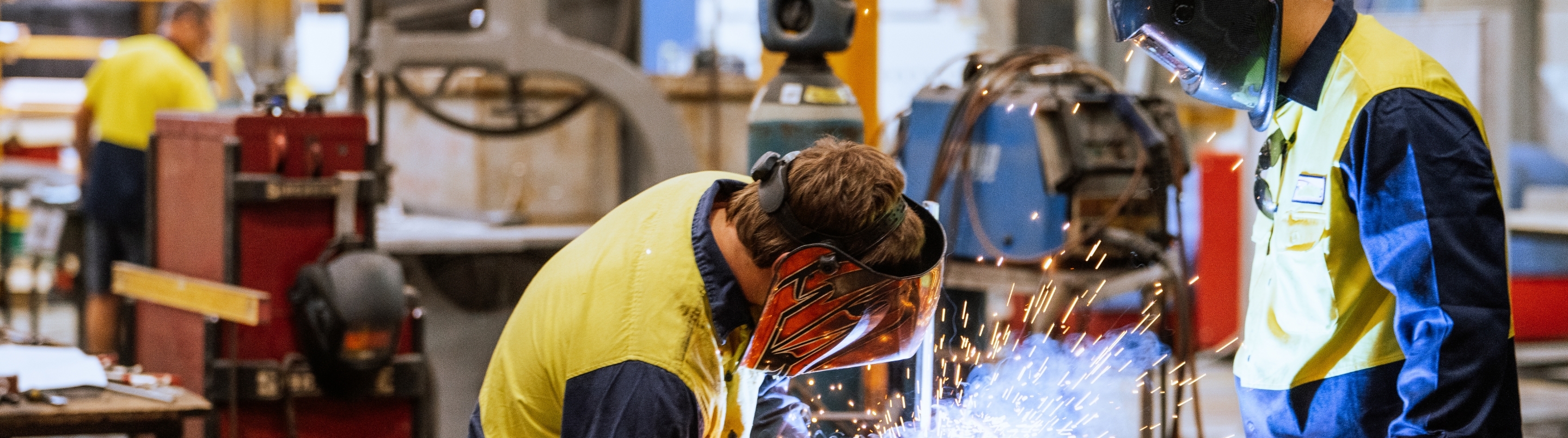
Industry uses energy to power machines, make products and run large scale processes. It supports everything from construction to food production, helping supply the goods people rely on every day.
-
Where it’s used

-
How it works

-
Why it matters

-
What’s next

Energy is essential across many industries, supporting the creation of everyday products and services.
- In manufacturing, energy powers machines that shape metals, produce plastics and assemble goods such as electronics and appliances.
- The construction industry uses energy for equipment like cranes, cement mixers and cutting tools.
- Food production relies on electricity and heat for washing, cooking, cooling and packaging everything from bread to ready meals.
- Chemical plants use energy to create materials used in medicines, paints, cleaning products and fertilisers.
- Even industries like water treatment and recycling depend on energy to keep their systems operating efficiently.
These examples show how energy supports the production of items people use daily and helps keep key services running. Without reliable energy, many industries would not be able to operate at the scale and speed needed today.
Energy supports industrial processes by powering the machinery and systems that produce goods.
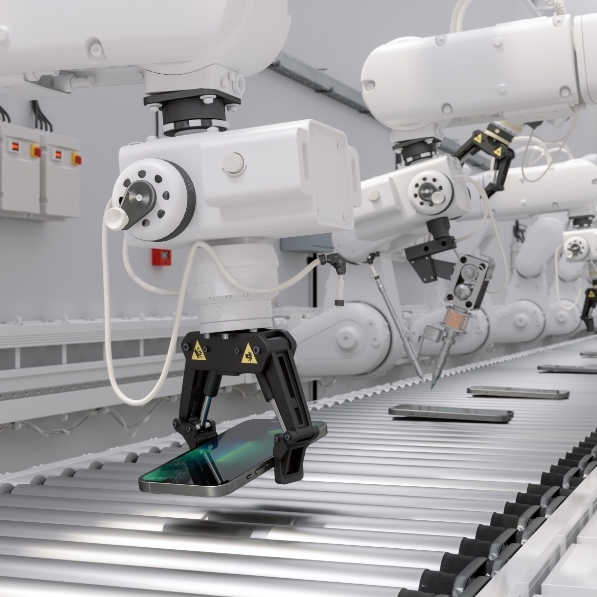
In many factories, electricity runs conveyor belts, robotic arms and control systems that help create products efficiently and accurately. Heat energy is used to melt, shape or treat materials such as metals, glass and plastics. Some industries rely on steam or high‑temperature furnaces to carry out essential chemical reactions.
Energy is also needed for ventilation, lighting, cooling and safety systems to keep workplaces functioning smoothly.
In automated facilities, digital equipment and sensors depend on a steady electricity supply to monitor performance and improve quality.
Although each industry uses energy differently, the overall goal is the same: to keep production running safely, efficiently and consistently so businesses can meet demand.
Energy use in industry matters because it directly affects economies, jobs and the environment.
Industries produce the materials, products and infrastructure that communities rely on, from building materials and medical supplies to food and household goods. Reliable energy helps maintain steady production, supporting millions of jobs across different sectors.
However, industry is also a major source of emissions, especially when high‑temperature processes rely on fossil fuels. Reducing the environmental impact of industrial energy use can improve air quality and contribute to climate targets.
Many companies are exploring ways to use energy more efficiently, switch to cleaner sources or adopt new technologies. These changes can lower costs over time, protect jobs and support a more sustainable and competitive industrial sector for the future.
Industry is gradually shifting toward cleaner, more efficient ways of using energy.
- New technologies, such as advanced heat pumps, electric boilers and hydrogen‑ready systems, may replace some traditional high‑emission processes.
- Factories are also improving insulation, recycling waste heat and adopting automation to reduce energy use.
- Renewable electricity is becoming more common in industrial operations, especially as more companies install on‑site solar panels or connect to cleaner power grids.
- Digital tools are helping businesses monitor energy use in real time, making it easier to find areas where efficiency can be improved.
These developments could lower emissions while keeping production reliable. Although the transition will take time, the shift toward cleaner energy systems is expected to support long‑term growth, create new skills and help industries remain competitive in a low‑carbon future.
Got questions?
We’ve got answers
-
Why does industry need energy?
Industry uses energy to power machinery, produce materials and make things. That includes the things you use every day like phones, clothes and the packaging your food comes in.
-
Is industry changing?
Yes. Many industries are finding ways to use less energy and test lower-carbon technologies while still making the things we rely on.
-
Does energy use affect jobs?
Reliable energy helps factories and businesses that employ people keep running. Plus, as energy systems change, new skills and roles can be created like energy data analysts and the experts who design and maintain smart grids.
-
How does industrial energy affect the environment?
Certain industries need a very high heat to make materials like steel, cement and glass. At the moment, this tends to use fossil fuels, which release carbon dioxide as they burn.
-
Why improve energy systems in industry?
Cleaner, more efficient systems reduce emissions while still producing the things we use every day.
Making a new phone produces as much carbon as a 220-mile drive
Find out more about how your energy choices matter.
Related pages

Energy and Transport
How energy powers movement

Renewable Energy
Renewable energy powering the future. How nature keeps the lights on.

Emerging Technologies
New ideas shaping energy

Let’s shape the future together
Backed by industry, My Energy Future is brought to you by OPITO and partners to build a safe, skilled workforce.