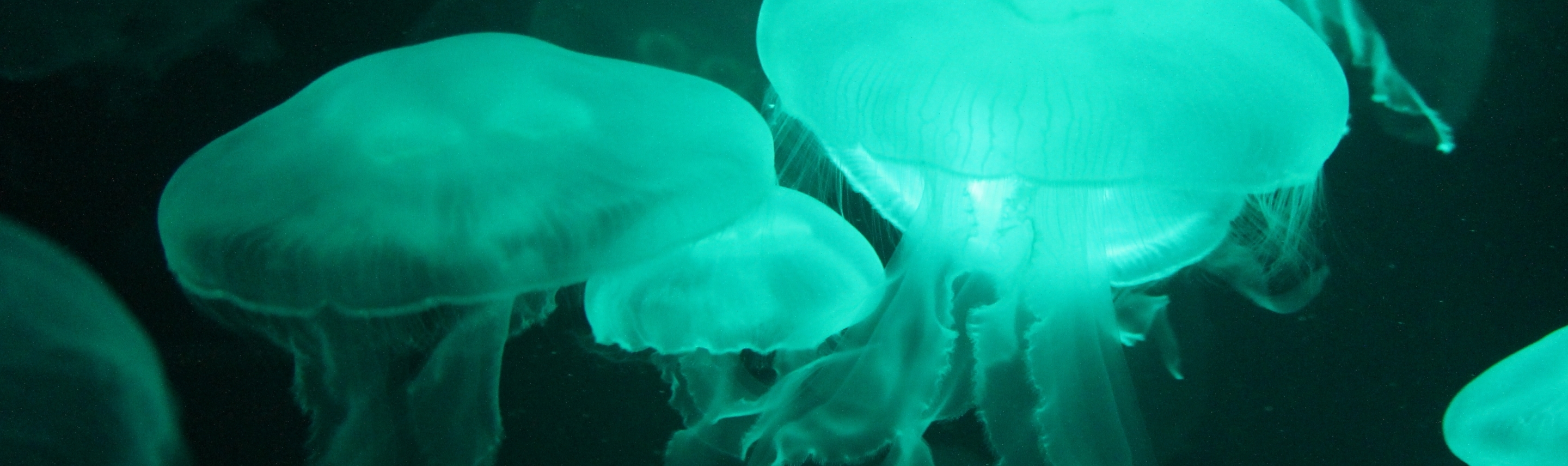
Nature’s Light
Could glowing plants and animals light our cities?
Not sunlight — living light
Some plants, fungi and animals can produce their own light. This is called bioluminescence. It happens because of a chemical reaction inside the organism.
You can see it in:
- Fireflies
- Jellyfish
- Deep-sea fish
- Certain fungi and bacteria
What if we could use this natural glow instead of electric lights?
Why explore it?
Lighting makes up more than 14% of energy use in Europe.
If we could safely use bioluminescent light, it could:
- Reduce electricity demand
- Lower carbon emissions
- Cut light pollution
Imagine being able to see the stars clearly — even in a city.
How is it being used?
Medicine
Scientists already use bioluminescence in research.
It helps them:
- Track how cells grow
- Study diseases
- Detect cancer cells after surgery
The glow makes tiny biological processes easier to see.
Lighting experiments
Bioluminescent light has been tested as a real light source before. In the past, miners even used jars of fireflies instead of oil lamps — reducing the risk of explosions.
Today, researchers are experimenting with:
- Glowing trees that could replace streetlights
- Genetically engineered bacteria that produce light
For example, bacteria have been modified using squid DNA to glow for up to a month. Scientists are now trying to make them glow only at night so their energy lasts longer.
What are the challenges?
Bioluminescent lighting still has limits:
- It isn’t bright enough yet
- The lifespan needs improving
- Growing and maintaining organisms uses energy
- LEDs are already very efficient and widely used
Bioluminescence probably won’t replace all electric lighting. But it could work alongside it.
Where could it help most?
In places without reliable electricity, lighting that doesn’t need plugs or batteries could be life-changing. Like salt water lamps, bioluminescent solutions could support communities where traditional lighting is difficult to access.
The Bottom Line
Bioluminescence uses natural chemical reactions to create light.
It’s not ready to replace streetlights — but it could reduce energy use and light pollution in the future.
Sometimes nature already has ideas we’re only just learning to use.
Related ideas

Carbon Capture
Can we stop carbon dioxide before it reaches the air?
Lunar Panels
Could moonlight one day power Earth?
Mini Nuclear Reactors
Could smaller nuclear stations power the future?
Let’s shape the future together
Backed by industry, My Energy Future is brought to you by OPITO and partners to build a safe, skilled workforce.