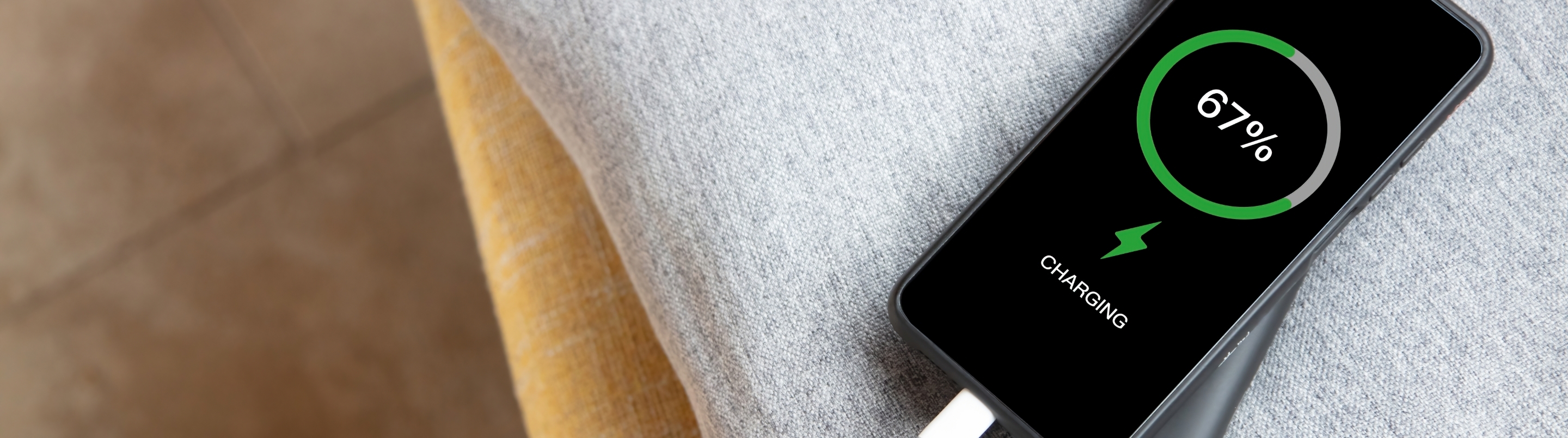
Energy in our homes
Powering your life
The smart tech isn’t just in your phone — it’s in your walls. Right now, engineers are hacking homes to replace fossil fuels with clean power. Here’s how.
-
Where it’s used

-
How it works

-
Why it matters

-
What’s next

Energy is used throughout our homes, often without us even noticing. It powers everyday essentials and the technology we rely on.
- Heating and cooling rooms
- Lighting homes day and night
- Cooking food and heating water
- Charging phones, laptops and devices
- Powering TVs, gaming consoles and Wi-Fi
From morning alarms to evening streaming, energy supports almost everything we do at home.
Energy doesn’t just appear when you switch something on. It’s generated elsewhere, then delivered to homes through energy networks.
- Energy is produced using different sources, like gas, wind or sunlight
- It’s carried through cables or pipes to homes
- Meters track how much energy is used
- Appliances convert energy into heat, light or movement
All of this happens in seconds, keeping homes running smoothly.
The way energy is used at home has a big impact on people and the planet.
- Homes account for a large share of energy use
- Wasted energy increases costs and emissions
- Efficient homes use less energy to do the same jobs
Understanding home energy use helps people make smarter choices and supports a more reliable, sustainable energy system for the future.
Homes are changing as energy systems become smarter and cleaner.
- Better insulation and efficient appliances
- Smart meters and energy-saving technology
- Homes that generate and store their own energy
- Cleaner heating systems and low-carbon power
These changes will help reduce emissions, improve efficiency and shape how homes use energy in the years ahead.
Got questions?
-
Why do our homes need energy?
Energy powers everyday essentials like lighting, heating, cooking, charging devices and running appliances such as fridges and washing machines.
-
Where does the energy in our homes come from?
Energy can come from a mix of sources including wind, solar, gas, nuclear and hydropower. Electricity is delivered through the grid, while some homes also generate their own power using solar panels.
-
What uses the most energy at home?
Heating usually uses the most energy, especially in colder months. Hot water, cooking and large appliances like tumble dryers also use significant amounts.
-
How can we use less energy at home?
Simple changes like turning off lights, improving insulation, using energy-efficient appliances and lowering the thermostat can reduce energy use and save money.
-
What’s next for home energy?
More homes are using smart meters, heat pumps, solar panels and battery storage to manage energy more efficiently and reduce carbon emissions.
Wait. You can get power from that?!
What if the warm water going down the drain could be recycled to heat buildings? See how some smart ideas are turning waste into warmth.
Related pages
Energy and Transport
How energy powers movement
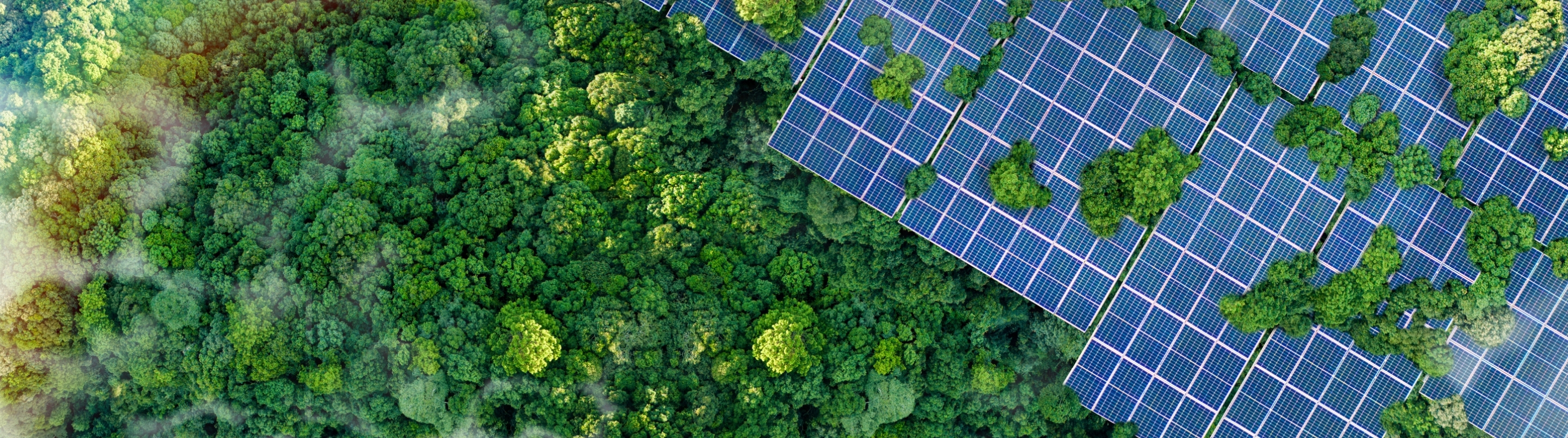
Renewable Energy
Renewable energy powering the future. How nature keeps the lights on.
Emerging Technologies
New ideas shaping energy
Let’s shape the future together
Backed by industry, My Energy Future is brought to you by OPITO and partners to build a safe, skilled workforce.