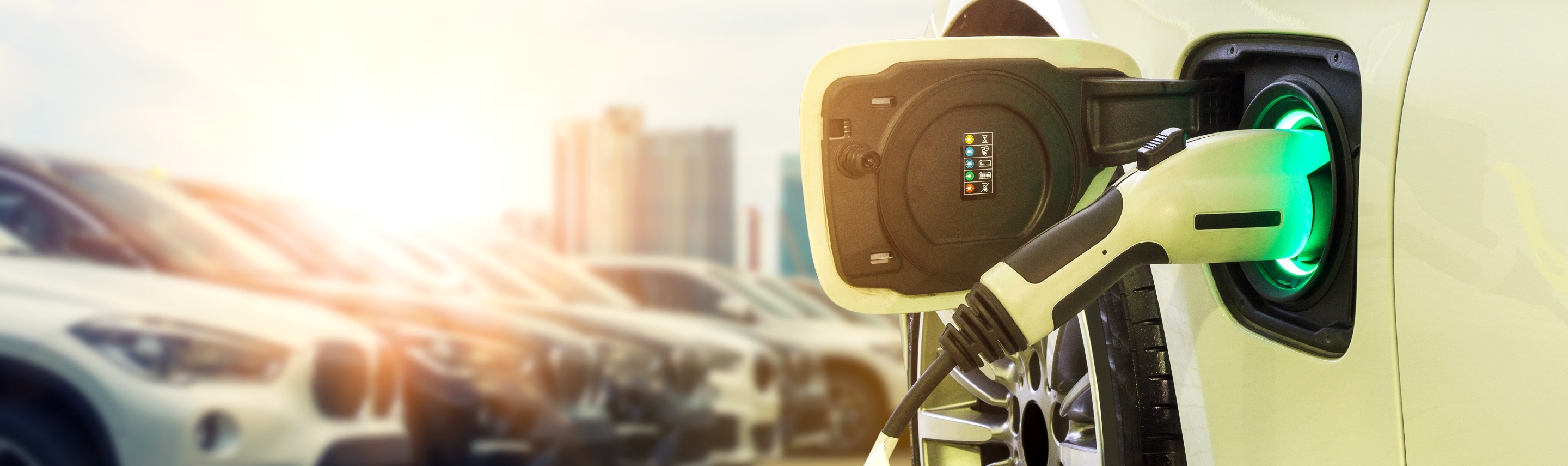
Could a car run on salt?
Electric cars running on salt (not the table kind) could be possible soon.
Short answer: Not table salt. But sodium - a metal found in salt - is powering a new kind of battery. And that could matter for how we drive in the future.
Electric cars don’t run on petrol. They run on batteries. Most EVs today use lithium-ion batteries. But a new type-called a sodium-ion battery-could one day replace them. Sodium is a key part of salt. And it’s much more common than lithium.
What’s the issue with lithium?
Lithium-ion batteries changed the world in the 1990s. They store lots of energy in a small space.
That’s why they power:
- Electric vehicles
- Phones and laptops
- Medical equipment
- AI supercomputers
But there are challenges. Lithium, cobalt and nickel are:
- Difficult to mine
- Expensive
- Environmentally demanding to extract
And recycling them isn’t easy.
Recycling is complicated
To recycle lithium batteries today, companies usually:
- Shred them into powder
- Use very high heat (pyrometallurgy)
or
- Use strong chemical solutions (hydrometallurgy)
Both methods:
- Use a lot of energy
- Can create pollution
- Recover only a small amount of reusable material
Right now, only about 5% of lithium-ion batteries are recycled.
Why sodium?
Sodium sits just below lithium on the Periodic Table. That means it behaves in similar ways. So scientists can use similar designs and manufacturing methods. But sodium has big advantages:
- It’s around 1,000 times more abundant than lithium
- It’s found in seawater
- It’s easier to access
In 2023, major battery manufacturer CATL began producing sodium-ion batteries. By 2025, some cars in China are expected to use them.
Are sodium batteries perfect?
Not yet. Sodium ions are larger than lithium ions.
That means:
- Fewer fit inside the same space
- Energy storage is lower
They also don’t currently last as long.
Lithium batteries can average around 3,500 charge cycles. Sodium batteries currently range between 300–3,000 cycles. Scientists are still improving the technology.
Rethinking battery design
It’s not just about materials. Engineers are also redesigning how batteries are built. Some new designs — like the Blade battery — make cells easier to remove and recycle. Instead of being glued together, cells can be slotted in and out more easily.
In China, manufacturers are responsible for recycling EV batteries. As a result, recycling rates are higher than in many other countries.
What does this mean for the future?
The demand for electric vehicles is growing fast. That means we need batteries that are:
- Powerful
- Affordable
- Sustainable
- Easier to recycle
Switching from lithium to sodium could reduce pressure on rare materials. And redesigning batteries could make recycling more efficient.
The Bottom Line
Cars won’t run on salt you shake on chips.
But sodium-based batteries could help power cleaner transport — using materials we already have plenty of.
That makes them a bright idea worth watching.
Related ideas

Nature’s Light
Could glowing plants and animals light our cities?

Carbon Capture
Can we stop carbon dioxide before it reaches the air?

Lunar Panels
Could moonlight one day power Earth?
Let’s shape the future together
Backed by industry, My Energy Future is brought to you by OPITO and partners to build a safe, skilled workforce.